Bats in the Belfry
Text & Photos by Fred Berger
Propaganda was the first American goth magazine, and those that came later were undoubtedly influenced by it, but none achieved anything close to the notoriety of the original. The one thing that distinguished Propaganda, which the others could never duplicate, were the style pictorials. While I delegated the bulk of the musical content to others, my signature contribution to the publication came in the form of fashionable photo spreads. Much of this material was shot spontaneously on the street in bohemian areas such as Ave. A in the East Village of Manhattan and Melrose Ave. in West Hollywood. Other opportunities presented themselves at various nightclubs, particularly Danceteria in New York and Helter Skelter in L.A. where the patrons were especially eye-catching. Even in these uncontrolled environments, I exerted a high degree of selectivity in choosing who I would photograph – only the best dressed and most photogenic were worthy of my attention.
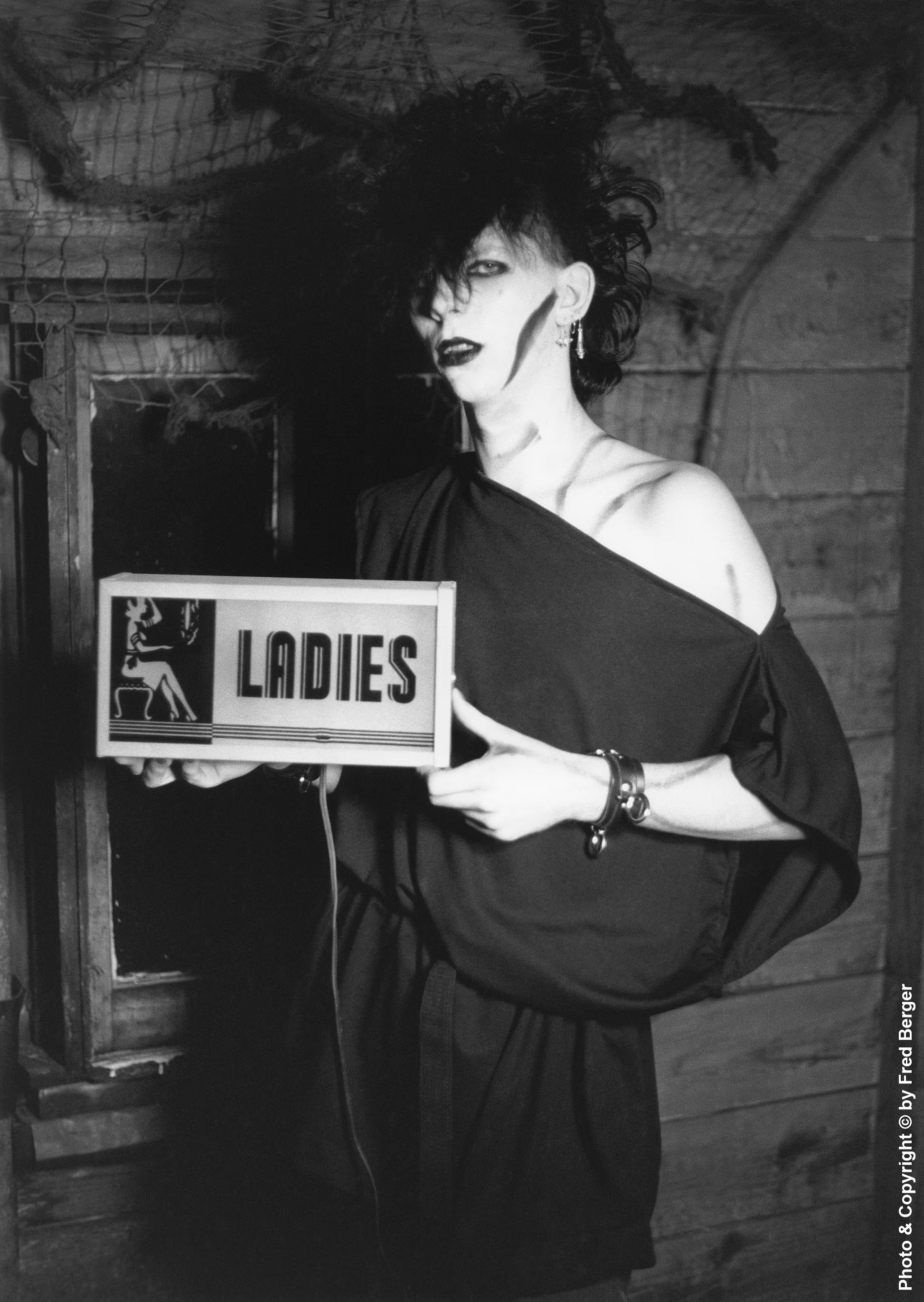
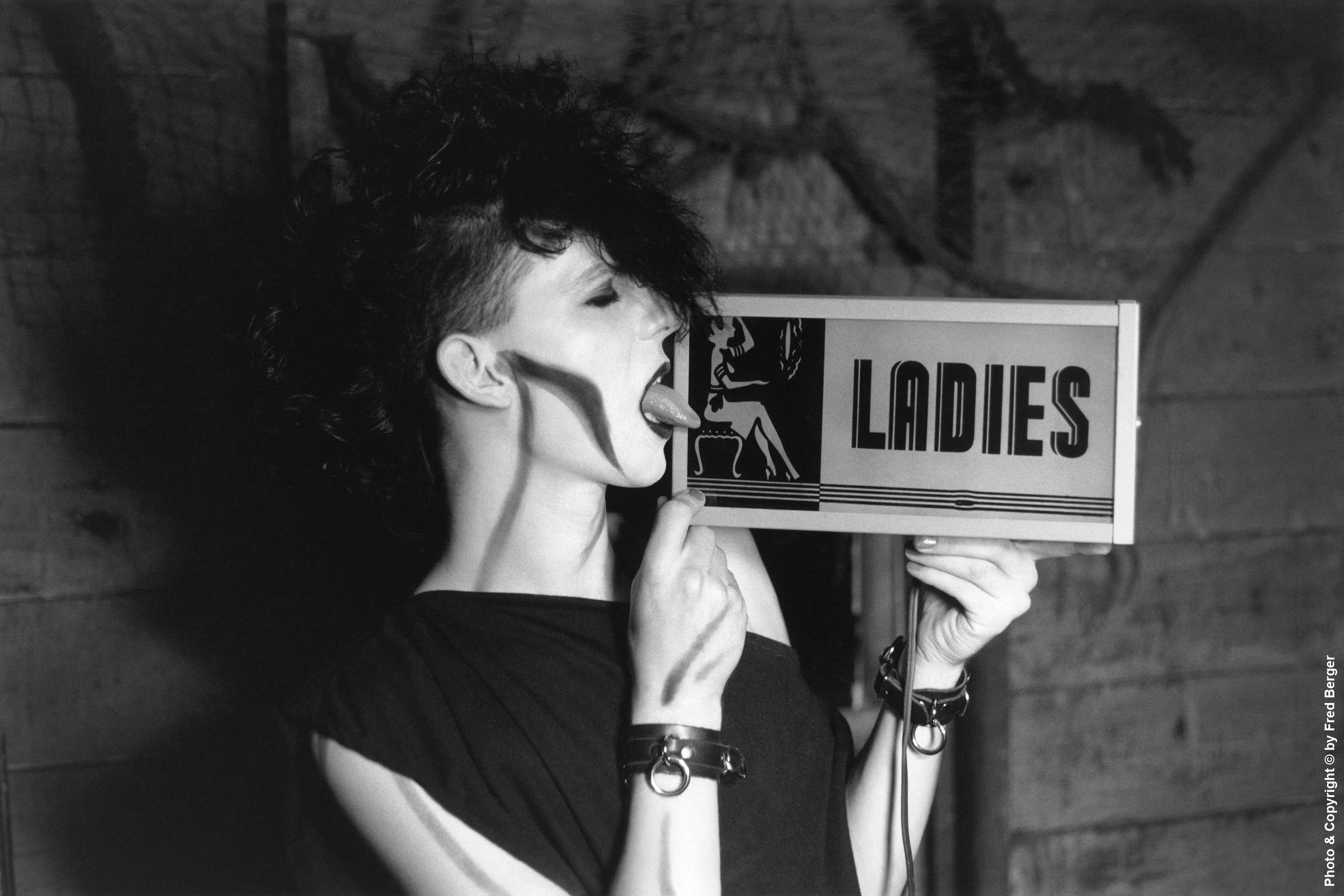
It was through this impromptu casting process that I discovered some extraordinary talent, one of the earliest and most prolific of whom was Rex. He would become the template for future Propaganda models, which a Village Voice reviewer described collectively as “asexual” owing to their gender ambiguity. Rex’s photo features in the early to mid-80s attracted an immediate and devoted following, earning him the distinction of being the magazine’s first “supermodel.” In fact, many mistook him for Jonny Slut, the comely keyboardist of the English goth band Specimen. Rex presented a wide range of characters and fashion statements from punk rock Road Warrior to seductive Nosferatu, the latter of which is portrayed here in all its luscious depravity. Like a bat ensconced in a dingy church belfry, soiling and gnawing at its timbers, he exudes a dark luminescence made all the more radiant by his affront to conventional mores.
Content © by Fred Berger
unique visitors